
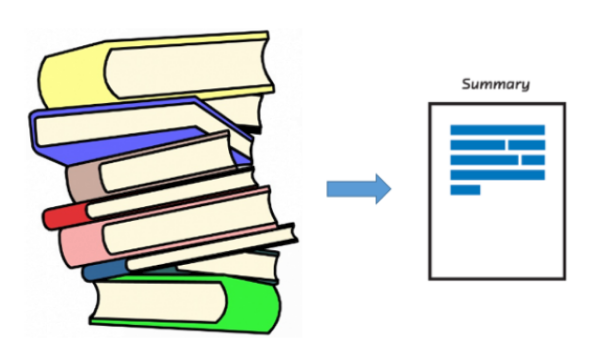
Text summarization is a tool used to reduce the length of a text while still conveying the most important information. It can be used to quickly condense large amounts of information into smaller, more manageable pieces. This type of summarization tool can be especially helpful when dealing with lengthy documents or articles, as it can help break down the material into easily digestible chunks. Let’s take a look at how text summarization works.
How Text Summarization Works
Text summary works by analyzing the text and extracting key phrases, sentences, and ideas from the original document or article. The extracted text is then condensed into a shorter version that contains all the main points from the original source material. In order for this type of summarization to be effective, there must be a clear understanding of what is important in the text and what should be left out. For example, if you’re reading an article about current events in politics, you may not want to include details about each politician’s background or family life; instead, you would focus on only the relevant facts about their policies and actions.
The technology behind text summarization utilizes natural language processing (NLP) techniques such as sentiment analysis and machine learning algorithms to analyze large amounts of data quickly and accurately. NLP allows computers to understand human language so they are able to identify meaningful snippets from longer texts. Machine learning algorithms use past data to learn patterns that enable them to make better decisions in the future—in this case, deciding which parts of a document are more important than others. By combining these two technologies, computers are able to accurately detect which parts of a document contain key information that needs to be included in the summary and which parts can be omitted without losing any essential details.
Types of Text Summarizers
There are two main types of text summarizers: extractive summarizers and abstractive summarizers. Extractive summarizers take snippets from existing documents or articles without changing any words or phrases; these summaries often contain direct quotes from the original source material. Abstractive summarizers use advanced NLP techniques such as semantic analysis and natural language generation (NLG) algorithms to generate new summaries based on previously unseen data; these summaries tend to contain fewer direct quotes but still capture all of the essential information from the source material.
Conclusion:
Text summary tools have become increasingly popular due their ability to quickly condense large amounts of information into short summaries that convey all of the essential points in an easily digestible form. Text summary tools utilize natural language processing (NLP) techniques such as sentiment analysis and machine learning algorithms together with extractive or abstractive summarizing methods in order to analyze long texts accurately and produce accurate summaries with minimal effort on behalf of users. Whether you need an overview for research purposes or simply want an easier way to get through lengthy documents, text summary tools will save you time while ensuring that you don’t miss any important points along the way